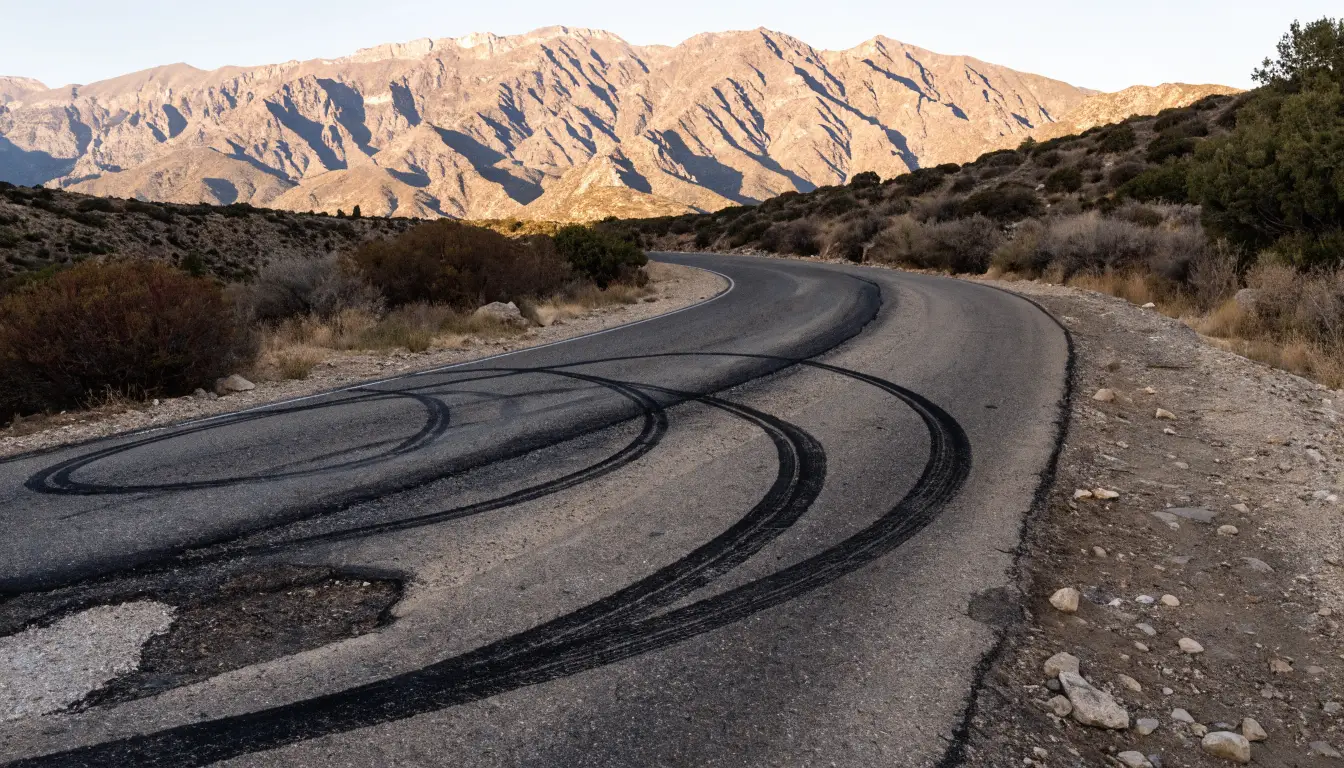
The phantom driver
A car drifts into your lane on Haven's grade; you swerve, hit the curb, and they drive on oblivious — or not. With no contact, UM “hit-and-run” coverage gets harder: policies often require physical contact, with exceptions built on independent corroboration — witnesses, camera footage, dashcams. Which means the same first-48-hours urgency as any hit-and-run: report immediately, canvass for cameras, find the witness before they drive away. Your word alone usually isn't enough; your word plus one corroborating source often is. From Victoria to the rest of Rancho Cucamonga, the pattern is the same.
The road itself
The foothill grid has real hazards — unmarked dips, shoulder drop-offs, sight-line failures, malfunctioning signals. When a dangerous public-road condition causes a crash, the claim runs against the public entity — with California's brutal catch: a formal government claim within six months. Photograph the condition the same day (roads get repaired with suspicious speed after crashes), and treat the deadline as weeks, not months, of working time.
Cargo, debris, and the delivery economy
A mattress on the 15, gravel streaming from a tailgate, a ladder in lane three — swerve-or-hit crashes caused by unsecured loads are the hauler's liability, and commercial haulers carry commercial policies. Dashcams win these cases; plate numbers and immediate reports give them somewhere to go.
Who might actually be liable
A 'single-vehicle' crash isn't always the driver's fault — look at:
- A phantom driver who ran you off the road (a UM claim).
- A defective tire, brake, or part (a product claim).
- A dangerous road defect or missing signage (a public-entity claim).
- A negligent repair shop whose work failed.
The vehicle that failed you
Brakes that faded, a tire that separated, an airbag that fired late — defect claims exist, and they share one non-negotiable rule: preserve the vehicle. The wreck is the evidence; a scrapped car is a closed case. Tell your insurer in writing not to salvage it until it's inspected.
All four claims share a fifth truth: adjusters read “single-vehicle” as “case closed.” Whether yours is depends on what you preserve this week — a free review sorts real claims from wishful ones honestly.
We also help injured people in: EtiwandaCucamongaTerra Vista