No Fee Unless We Win
Every case is on contingency. The consultation is free, we advance the case costs, and our fee comes only out of the recovery.
Serving Rancho Cucamonga & the Inland Empire
Hurt in a crash on the 210, the 15, or Foothill Boulevard? Get a local attorney on your side before you talk to the insurance company. No fees unless we win.
Available 24/7 · Se habla español · Free consultation
Tell us about your crash. An attorney responds fast — usually within minutes.
Every case is on contingency. The consultation is free, we advance the case costs, and our fee comes only out of the recovery.
We know the 15/210 interchange, Foothill and Haven, the local ERs, and the San Bernardino County courts — and how Inland Empire juries see these cases.
Not a call center. Your questions are answered by the lawyer handling your case, from the first call to the final check.
 Car AccidentsRear-end, T-bone, head-on and freeway collisions
 Truck AccidentsSemi, big-rig and delivery-truck collisions on the 15 and the 10
 Motorcycle AccidentsIncluding lane-splitting collisions — legal in California
 Rideshare AccidentsUber & Lyft passenger, driver and third-party claims
 Hit & Run / Uninsured DriverRecovering through UM/UIM coverage when the driver can't pay
 Pedestrian & Bicycle InjuriesCrosswalk, bike-lane and parking-lot collisions
 Serious & Catastrophic InjuryBrain injury, spinal injury and wrongful death claims
 Drunk & Distracted DriversPunitive damages may apply against impaired drivers
The adjuster who calls after your crash sounds helpful. Their job is to close your claim fast and cheap — with a recorded statement you'll regret and a check that runs out before your treatment does.
One free call levels it. An attorney can tell you what your case may be worth, takes over every conversation with the insurer, and you pay nothing unless your case wins. Don't get screwed out of your recovery by the first friendly voice on the phone.
Call (909) 259-8721Five-star experiences from injured Southern Californians.
They took my case when I had no idea where to start, and they fought until I got what I actually deserved — not what the insurance company first offered.
I was T-boned and left with neck and back injuries. Their office stayed in regular contact, told me exactly what to expect, took care of the expenses, and updated me at every step.
Every time I called or texted, someone answered. The attention and communication were excellent from the first day to the last.
I've trusted them with two cases now. Kind, supportive, and effective — they get it done without making you feel like a file number.
From the first call, everything was handled — the doctors, the paperwork, the adjuster. All I had to do was focus on healing.
The insurance company offered me next to nothing. My final settlement was several times their first offer. Never take the first check.
They treated my family like their family. Every question answered, every worry taken seriously, from the ER to the settlement.
The driver who hit me fled the scene and I assumed I had no case. They found coverage on my own policy I didn't even know I had.
Me atendieron en español y me explicaron todo el proceso desde el primer día. Muy agradecida con todo el equipo.
The day I signed, the calls from the adjuster stopped coming to me. The stress ended that afternoon — and the result spoke for itself.
No recovery, no fee. Find out what your case may be worth — free.
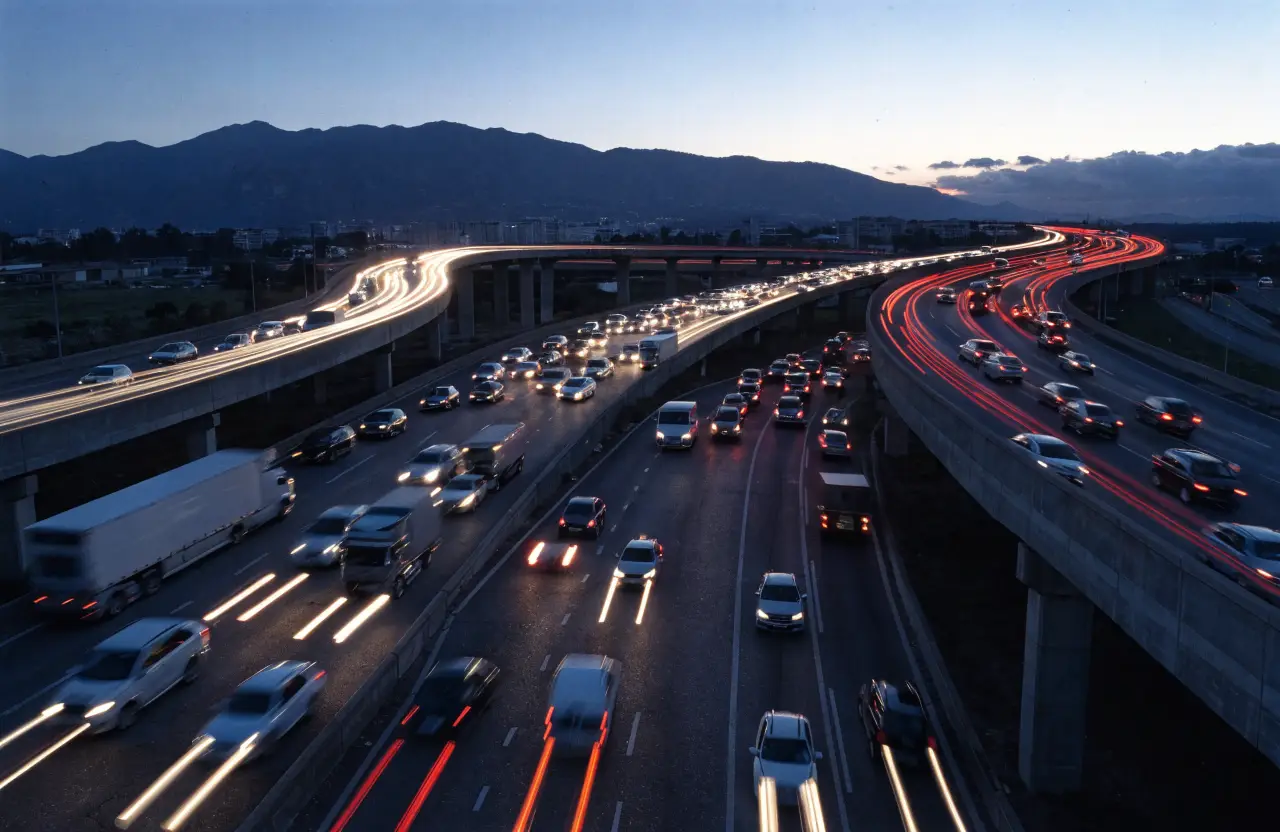
Call (909) 259-8721Rancho Cucamonga sits on one of the busiest crossroads in Southern California. The I-15 and I-210 interchange moves commuters, weekend Vegas traffic coming down the Cajon Pass, and an endless stream of goods hauled out of the Inland Empire's warehouse corridor. Add the surface-street load on Foothill Boulevard (Historic Route 66), Haven Avenue, and Milliken Avenue near Victoria Gardens, and the result is predictable: serious collisions happen here every single day — from Alta Loma and Etiwanda down to Old Town Cucamonga. If you've been searching for a car accident lawyer near me from an ER waiting room or your kitchen table, this page is for you.
A crash with a semi coming off the 15 or a delivery van working the neighborhoods isn't like a fender-bender between neighbors. Commercial policies are larger, corporate insurers respond faster and fight harder, and evidence — dashcam footage, driver logs, telematics — can disappear quickly if nobody demands it. Getting an attorney involved early preserves that evidence and keeps the insurer from taking a recorded statement you'll regret.
The foothill routes above Alta Loma and the 210 corridor draw riders year-round — and when a car turns left across a bike, riders pay the price. California is the only state where lane splitting is legal, but insurers still lean on biker bias to shift blame. A local attorney who knows how these cases actually play with Inland Empire juries levels that field. The best car accident lawyer in California isn't a billboard in L.A. — it's the one who knows your streets, your courts, and your adjusters. That's the entire case for going local, and it's why San Bernardino County families call a personal injury lawyer in San Bernardino County rather than a distant brand name.
Get medical care first, even if you feel "mostly fine" — soft-tissue and head injuries often surface days later, and a treatment gap is the insurer's favorite argument. Photograph everything, get the police report number (collision reports are available from the CHP for freeway crashes), and don't give a recorded statement or accept a quick settlement before you know the full extent of your injuries. California gives you two years to file in most cases, but the strongest cases are built in the first weeks.
Compensation can include medical bills (past and future), lost wages and earning capacity, vehicle damage, and pain and suffering. There is no formula — the value depends on your injuries, the available insurance, and how well your case is documented. That's what the free consultation is for: an honest read on what your claim is actually worth before the insurer anchors you low.
Everything below is specific to crashes in and around Rancho Cucamonga — the roads, the reports, the deadlines, and the numbers that decide what your claim is worth. It takes about 12 minutes to read, or one phone call to skip: (909) 259-8721 connects you to a free case review, 24 hours a day, 7 days a week.
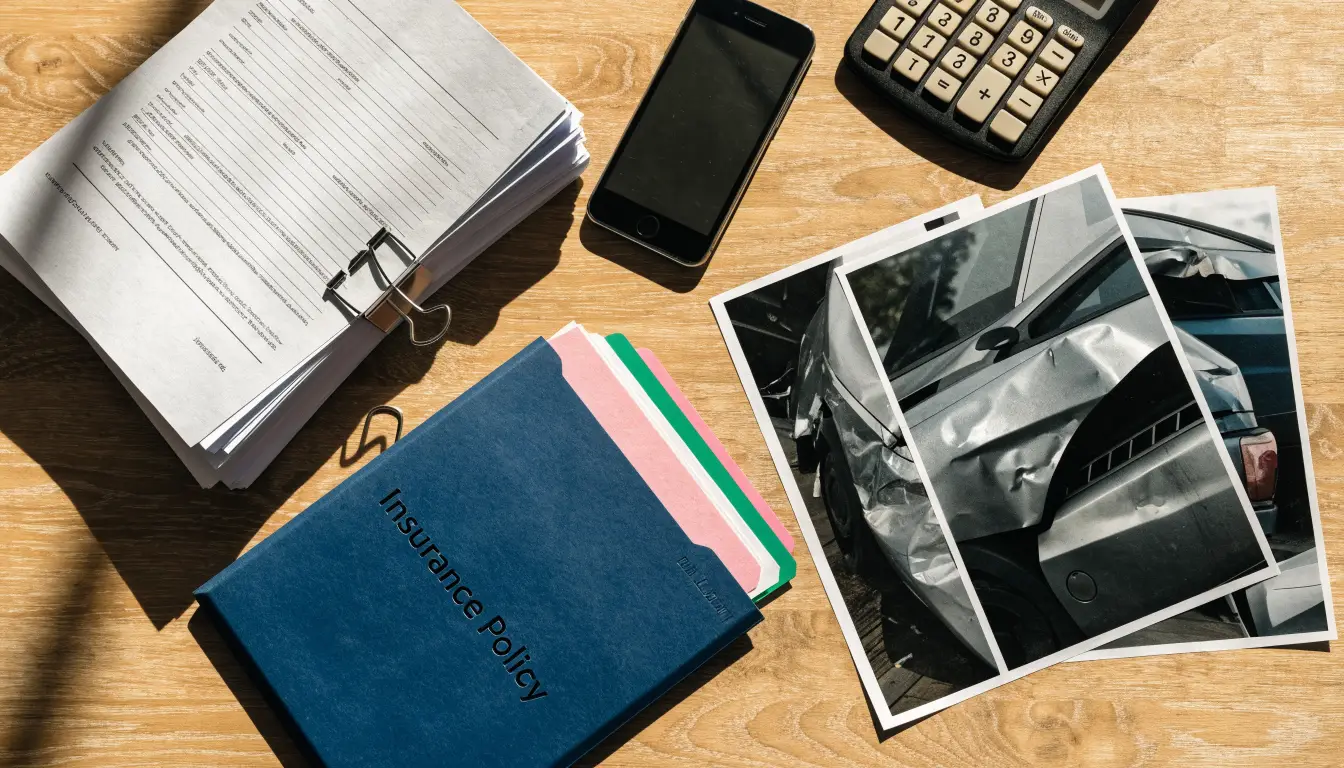
The first 48 hours shape the next 2 years of your claim. If anyone is hurt, call 911 first. Then, in order: (1) move to a safe spot and turn on hazards; (2) photograph all 4 corners of every vehicle, the other driver's license and insurance card, skid marks, debris, and the nearest cross street sign; (3) get names and phone numbers for every witness — most leave within 10 minutes; (4) ask the responding officer for the report number before they leave; (5) see a doctor within 72 hours even if you feel fine, because adrenaline masks soft-tissue and head injuries for 1 to 3 days.
Two reporting duties are easy to miss. California requires an SR-1 form filed with the DMV within 10 days whenever a crash causes injury, death, or more than $1,000 in property damage — and at today's repair costs, almost every crash clears $1,000. Miss it and the DMV can suspend your license, even if the crash wasn't your fault. Second, notify your own insurer promptly; most policies require notice within days, not weeks.
Rancho Cucamonga is a city of roughly 174,000 people squeezed between 2 freeways — the I-15 running north–south and the SR-210 running east–west — with a third state route, Foothill Boulevard (historic Route 66), cutting straight through the commercial core. The predictable trouble spots: the I-15/SR-210 interchange, the Foothill corridor from Vineyard to Day Creek where driveway traffic meets 45 mph through-traffic, Haven Avenue and Milliken Avenue as the north–south commuter pressure valves, and the Victoria Gardens area, where parking-lot crashes and pedestrian conflicts cluster on weekends.
Base Line Road, Arrow Route, and 4th Street at the Ontario border round out the list. Crash-mapping data for every one of these corridors is public — UC Berkeley's Transportation Injury Mapping System plots reported injury collisions street by street, and the California Office of Traffic Safety publishes city-by-city collision rankings. Where your crash happened matters legally, too: it determines which agency wrote your report and whether a government entity shares fault.

It depends on where the crash happened. Inside city limits on surface streets, Rancho Cucamonga is policed under contract by the San Bernardino County Sheriff's Department — the Rancho Cucamonga station on Civic Center Drive handles report requests. On the I-15, the SR-210, or any freeway on-ramp, the California Highway Patrol takes the report instead, and you request it with a CHP 190 form from the area office.
Reports typically become available 1 to 2 weeks after the crash, longer if there were serious injuries or a DUI investigation. You are entitled to a copy as an involved party. The report matters because it records the officer's fault assessment, the insurance information both drivers gave at the scene, and witness contacts you may not have captured. If the report gets a fact wrong — and they sometimes do — a supplemental statement can be added. A law firm can pull the report for you; one call to (909) 259-8721 starts that.
Where to request it in person:
San Bernardino County Sheriff — Rancho Cucamonga Station
10510 Civic Center Drive
Rancho Cucamonga, CA 91730

California is a pure comparative negligence state, and has been since the Supreme Court's 1975 decision in Li v. Yellow Cab. That means fault is split in percentages, and your recovery is reduced by your share — but never eliminated. If your damages are $100,000 and you were 20% at fault, you recover $80,000. Even a driver found 99% at fault can recover the remaining 1%.
This is why you should never accept an adjuster's fault assessment as final, and never guess or apologize at the scene. Fault percentages are negotiated with evidence: the crash report, photos, vehicle damage patterns, event data recorders, intersection cameras, and witness statements. Insurance companies routinely assign injured people inflated fault percentages precisely because every point of fault is a point they don't pay. It is one of the most common — and most correctable — ways claims get undervalued.

Three clocks can be running at once. First: under Code of Civil Procedure § 335.1, you have 2 years from the crash to file a personal injury lawsuit. Second: property damage claims get 3 years. Third — and this is the trap — if a government entity is involved (a city vehicle, a county Sheriff's unit, a transit bus, a dangerous road condition maintained by Caltrans or the City of Rancho Cucamonga), you must file a government claim within just 6 months under Government Code § 911.2.
Waiting has costs long before any deadline: skid marks fade in days, businesses overwrite camera footage in 30 to 90 days, and witnesses' memories soften. Insurers know all of this, which is one reason delay favors them. The safe move is a free consultation now — (909) 259-8721 — even if you're not sure you want to pursue anything.
No honest answer exists without your facts, but every settlement is built from the same components: past and future medical bills, past and future lost earnings, out-of-pocket costs, vehicle damage, and non-economic damages — the pain, sleep loss, anxiety behind the wheel, and everything else the injury takes from daily life. California places no cap on non-economic damages in ordinary car accident cases.
What moves the number most: the severity and permanence of your injuries, how thoroughly they're documented, the fault split, and — critically — the insurance available. A claim worth $300,000 against a driver carrying a minimum policy may be limited to that policy plus your own underinsured motorist coverage. This is why the earliest legal work on a case is often insurance archaeology: finding every policy that applies. Quick offers made in week 1 or 2 are calculated before your injuries are even fully diagnosed — treat them as the floor, not the ceiling.

The at-fault driver's insurer pays at the end, in one lump settlement — not as bills arrive. In the meantime, the usual sequence is: your own health insurance (they get reimbursed from the settlement, often at a negotiated discount); medical payments (Med-Pay) coverage on your auto policy if you bought it, typically $1,000 to $10,000 with no fault requirement; and, when neither is available, treatment on a lien, where local providers agree to be paid from the settlement.
Seriously injured people from Rancho Cucamonga crashes are commonly transported to Arrowhead Regional Medical Center in Colton — the county's Level II trauma center — or treated at Kaiser Permanente Fontana and nearby hospitals. Keep every bill, every explanation of benefits, and every mileage log for medical trips; each is a line item in the demand. Gaps in treatment are the single most-cited reason adjusters discount injury claims, so if pain persists, keep your appointments.

It happens more than people think: the Insurance Research Council has estimated that roughly 1 in 6 California drivers carries no insurance at all, and hit-and-run is a persistent problem on the I-15 and SR-210 corridors. Your claim doesn't die with the other driver's irresponsibility — it changes lanes. Uninsured motorist (UM) coverage on your own policy steps into the at-fault driver's shoes, and in California a hit-and-run counts as an uninsured driver for UM purposes when there's contact and a prompt report.
Two rules protect you here. First, report a hit-and-run to law enforcement immediately — it preserves the UM claim and sometimes finds the driver through paint transfer, debris, or nearby cameras. Second, know that your insurer cannot legally raise your rates for a claim where you weren't at fault. Our hit-and-run and uninsured driver page covers the details, or call (909) 259-8721 and get answers for your specific policy in minutes.
Yes — for the better if you were hurt after January 1, 2025. California raised its minimum liability limits for the first time in 56 years: from 15/30/5 to 30/60/15. In plain terms, every legally insured driver must now carry at least $30,000 per injured person, $60,000 per accident, and $15,000 for property damage. The California Department of Insurance publishes the full requirements.
The doubled minimums matter most in moderate-injury cases, where the old $15,000 cap routinely failed to cover even the ambulance and emergency room. But 30/60/15 still evaporates fast against a hospital stay, which is why the second question in every case is what you carry: uninsured/underinsured motorist coverage and Med-Pay on your own policy frequently add more to a settlement than the at-fault driver's insurance does. Bring your policy's declarations page to your free consultation — it's 1 page, and it often changes the strategy.
Not the other driver's insurer — and not before advice. You have no legal obligation to give the at-fault carrier a recorded statement, yet their adjusters often call within 24 to 48 hours asking for one. The timing isn't customer service. Statements taken days after a crash, while you're medicated or still discovering injuries, produce the sound bites used months later: "I said I was fine," "I said I didn't see them," "I guessed my speed."
Your own insurer is different — your policy requires cooperation — but even there, schedule it after you've spoken with someone about the claim. The same caution applies to blanket medical authorizations (which let an insurer trawl your entire medical history for anything to blame your pain on) and to quick-settlement releases, which permanently end the claim the moment you sign. A signed release is essentially irreversible even if your injuries later turn out to be far worse than anyone knew.

Nothing upfront, nothing hourly, nothing out of pocket. Car accident cases are handled on contingency: the attorney's fee is a percentage of the recovery — typically 33⅓% if the case settles before a lawsuit and up to 40% if litigation is required — and if there is no recovery, there is no fee. The consultation itself is free, whether or not you hire anyone: (909) 259-8721.
The practical question is whether representation nets you more after the fee. Insurance industry-funded research has repeatedly found that represented claimants recover substantially more than unrepresented ones — that's why adjusters work so hard to settle before you make the call. Representation also means the calls, paperwork, lien negotiations, and deadline-tracking stop being your job while you heal. For a case involving anything beyond minor vehicle damage, the math almost always favors making the free call and deciding with real information.

The honest range is wide: straightforward claims with clear fault and completed treatment often resolve in 3 to 6 months; cases with disputed fault, serious injuries, or lowballing insurers run 6 to 18 months; and the small fraction that require filing suit can take 1 to 2 years or more. The single biggest driver of timing is medical: a claim generally shouldn't settle until you reach maximum medical improvement, because you can never reopen it for injuries that turn out worse.
The sequence looks like this: treatment and documentation, then a demand package to the insurer, then 30 to 60 days of negotiation, then either settlement or a lawsuit. Once a case settles, payment follows in weeks. Beware of speed as a sales pitch — the fastest possible settlement and the full value of your claim are almost never the same number. What you can control: consistent treatment, organized records, and starting the process early rather than at month 20 of your 24-month window.
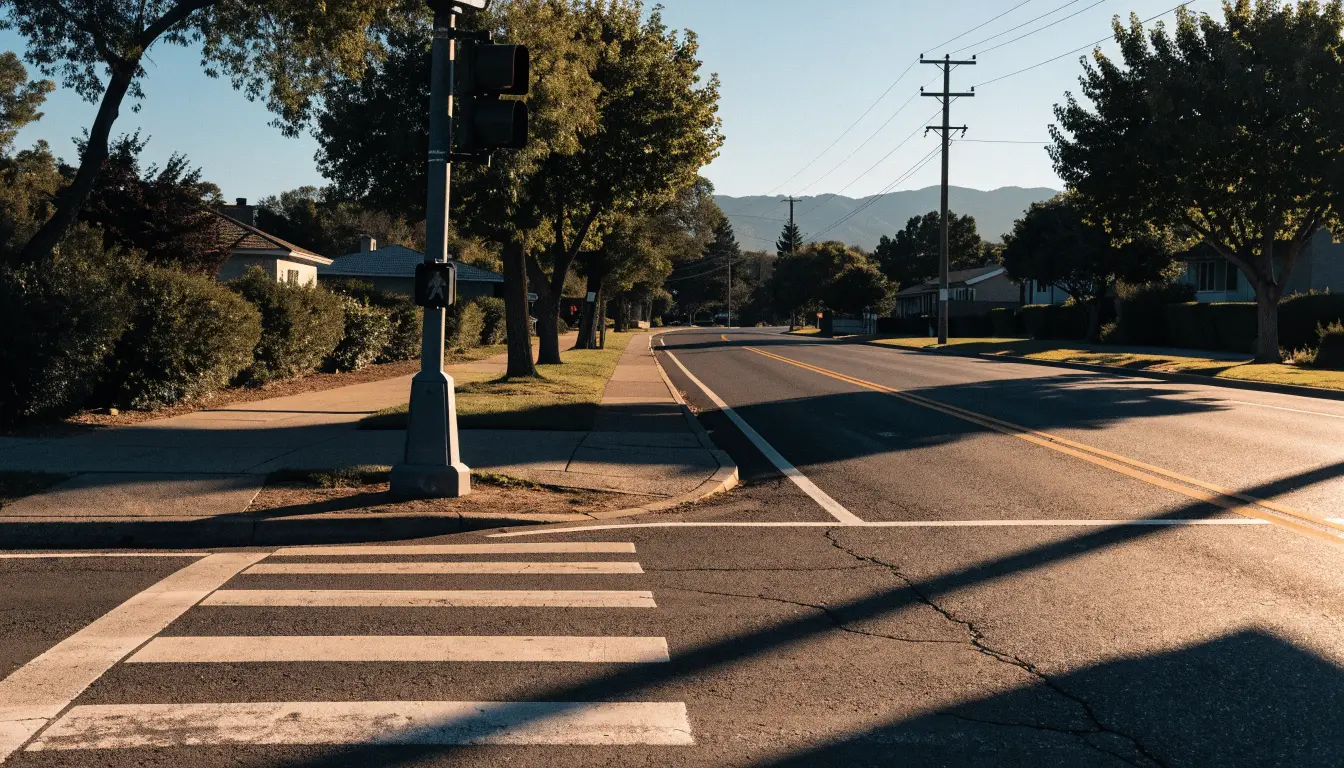
Pedestrians and cyclists take the worst of it — no steel cage, no airbag — and Rancho Cucamonga has real exposure: the Pacific Electric Trail crosses the entire city and intersects dozens of streets, school zones line Base Line and 19th Street, and Victoria Gardens generates heavy foot traffic across busy parking corridors. Drivers turning right on red and drivers leaving driveways across sidewalks account for a large share of these collisions.
Three things injured pedestrians and cyclists should know. First, being outside a crosswalk does not bar your claim — comparative negligence applies, and drivers always owe a duty of care. Second, the driver's auto liability insurance covers you, and your own auto policy's UM coverage can too, even though you were on foot or on a bike. Third, these cases turn on reconstruction — sight lines, speeds, signal timing — so scene photos and fast witness contact matter even more than in car-to-car crashes. Our pedestrian and bicycle injury page goes deeper.
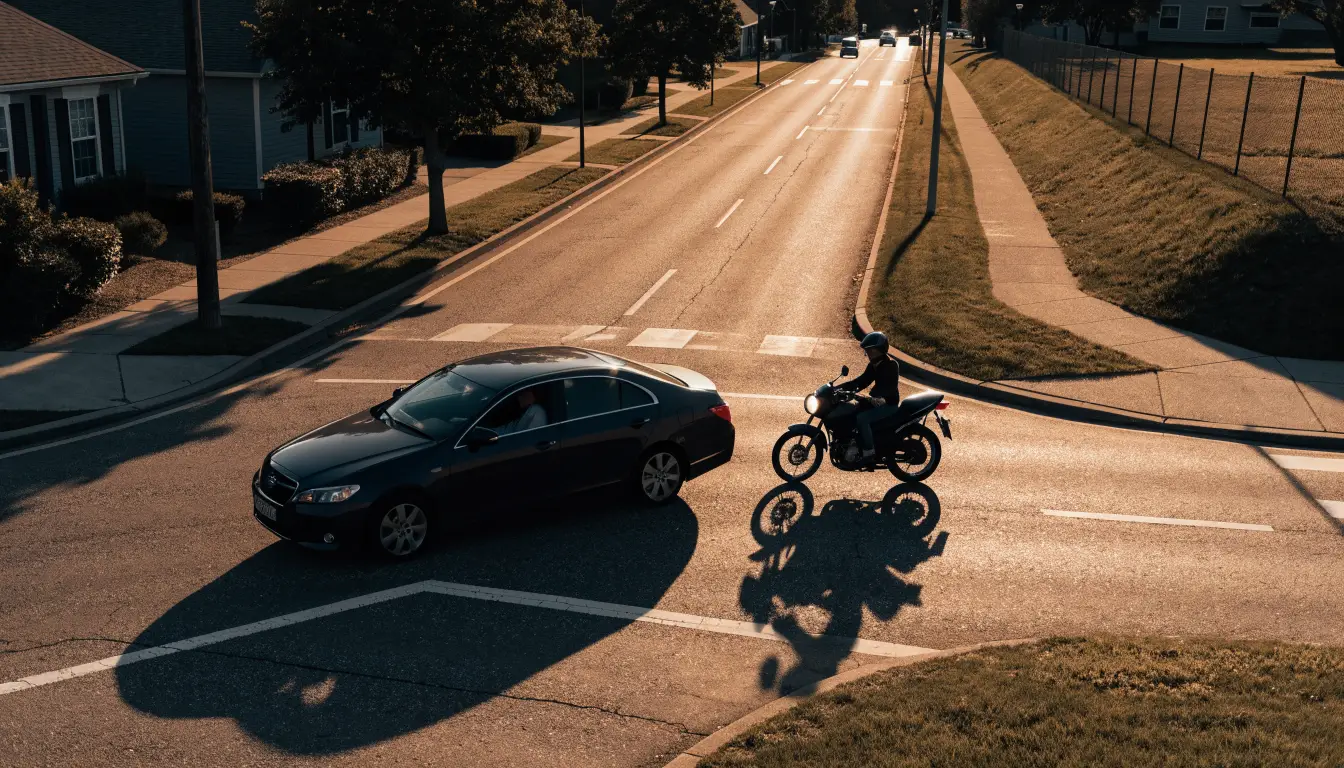
Each of these carries different rules and different money. Truck cases: the I-15 is one of Southern California's heaviest goods-movement corridors, and commercial carriers are subject to federal hours-of-service and maintenance regulations — their insurers deploy rapid-response teams to crash scenes, sometimes within hours, so evidence preservation letters need to go out immediately. Motorcycle cases: riders face bias in fault assessments, and California's lane-splitting legality (the first state to formalize it) is misunderstood by adjusters and juries alike. Rideshare cases: when an Uber or Lyft driver is actively on a trip, up to $1,000,000 in liability coverage applies — a completely different ceiling than a personal policy.
The common thread is that the standard car-crash playbook undervalues all 3. Our truck accident, motorcycle accident, and rideshare accident pages break down each one, or a free case review will sort out which coverage tiers apply to yours.
Don't take a website's word for the law that governs your claim — check the sources. The 2-year injury deadline is CCP § 335.1, on the Legislature's own site. Insurance minimums and consumer rights: the California Department of Insurance. The SR-1 reporting duty: the California DMV. Freeway crash reports: the CHP. Crash data for any Rancho Cucamonga street: UC Berkeley TIMS. National safety research: NHTSA.
And for what these numbers mean in your case — with your injuries, your policy, your intersection — that's the free consultation: (909) 259-8721. No fee unless you win, and no obligation to hire anyone after the call.
Crash patterns change block to block. Pick your neighborhood for its local road hazards, reporting details, and what an accident attorney can do with a claim there.
Foothill neighborhoods along Banyan Street and 19th, from Carnelian to Haven Avenue.
East-side streets around Victoria Street, East Avenue, and the 15 freeway ramps.
The historic southwest side along Foothill Boulevard, Archibald, and San Bernardino Road.
Master-planned blocks around Haven Avenue, Church Street, and Town Center Drive.
Retail-corridor traffic around Victoria Gardens, Day Creek Boulevard, and Base Line Road.
Curving grades near Red Hill Country Club Drive and the Foothill–Vineyard junction.
Fast-moving Day Creek Boulevard from Base Line down to the 210 interchange.
Equestrian estates off Hermosa and Haven, where rural roads meet commuter cut-throughs.
Preserve-edge roads north of the 210, off Day Creek Boulevard and Etiwanda Avenue.
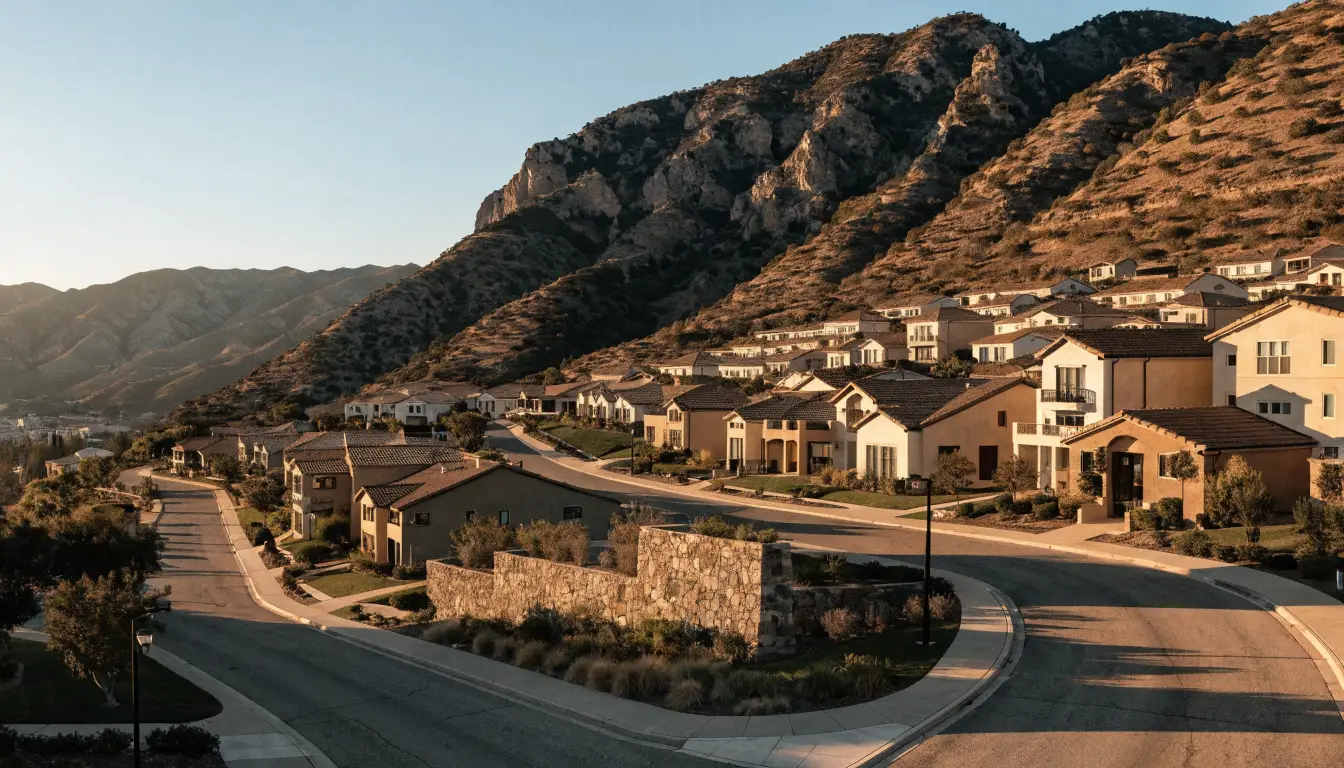
Foothill subdivisions where Day Creek Boulevard climbs past the 210 freeway.
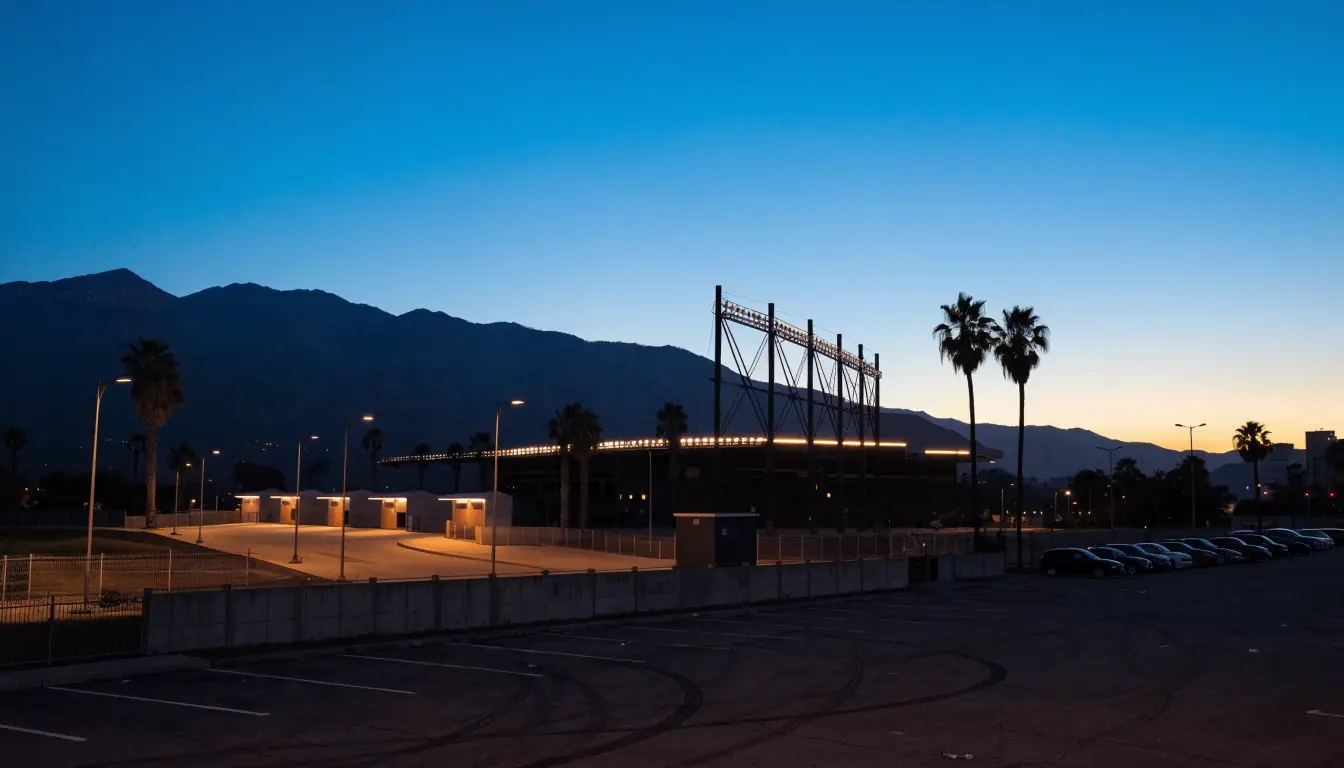
Streets around the Epicenter ballpark, Rochester Avenue, and Foothill Boulevard.
Two years from the crash in most cases. Claims involving government entities (like a dangerous road condition) can require notice in as little as six months — don't wait.
Hourly rates. Retainers. Bills in the mail. Nothing up front. California car accident lawyers work on contingency — typically 33⅓%–40% of the recovery, and the percentage is agreed in writing before we start. If there's no recovery, there's no attorney fee.
Honestly: there is no reliable "average" — any site quoting one is guessing. Your number depends on your injuries and treatment, lost income, who was at fault, and how much insurance coverage exists. What IS consistent: the insurer's first offer is almost never their best one, and represented claimants routinely recover more. We'll tell you what your specific case is worth for free.
Here's the honest math: after a standard one-third contingency fee, about $16,600 remains before case costs and medical liens. Two things change that number in your favor — we front the costs, and we negotiate your medical liens down, which often puts more in your pocket than the raw math suggests. You'll see every line item before you sign anything.
If your injuries were zero and the damage is a bumper, settling directly can be fine. The moment there's an injury, the calculus flips: the adjuster's quick check is priced to close your claim before you know what your medical care will cost. A free consultation costs you nothing and tells you which situation you're actually in.
Legally, any time before the statute of limitations runs. Practically, call within 30 days of your accident — camera footage gets overwritten, skid marks fade, and witnesses move. The strongest cases are built in the first month, and waiting never made a case more valuable.
Very possibly. About one in six California drivers is uninsured; your own UM/UIM coverage may pay your claim, and an attorney will find every policy that applies.
Yes. California's pure comparative negligence rule means you can recover even if you share fault — your award is just reduced by your percentage. Adjusters overstate your share; that's the fight.
Most cases settle without a trial. But insurers pay more to lawyers who are genuinely prepared to try the case — that leverage is a big part of what you're hiring.
See a doctor even if you feel okay — head and soft-tissue injuries commonly surface 1 to 3 days later, and a same-week medical record is the backbone of any claim. Photograph everything before vehicles are repaired, save the report number the officer gave you, write down what happened while it's fresh, and don't post about the crash on social media. Insurers check. If you want the process handled for you from day one, the case review at (909) 259-8721 is free.
Yes, in most cases. California requires an SR-1 report to the DMV within 10 days whenever a crash causes any injury, any death, or more than $1,000 in property damage — regardless of who was at fault, and separately from the police report. Skipping it can cost you your license. Most repairs today exceed $1,000, so when in doubt, file it.
Freeway crashes belong to the California Highway Patrol, not the Sheriff — you request the report with a CHP 190 form from the area office that responded. Surface-street crashes inside Rancho Cucamonga go through the San Bernardino County Sheriff's station on Civic Center Drive. Either way, reports usually take 1 to 2 weeks, and a law firm can pull it for you at no charge.
Yes. Under California's pure comparative negligence rule, a seatbelt defense can reduce your recovery by the percentage of harm the belt would have prevented, but it never eliminates the claim. The insurer has the burden of proving the difference with evidence, not assumptions — and the crash itself remains 100% the at-fault driver's doing.
No — you have no obligation to, and it rarely helps you. Adjusters request statements within 24 to 48 hours because early, unprepared answers create the quotes used to discount your claim months later. Give the basic facts to your own insurer as your policy requires, and get advice before saying anything on the record to theirs.
Report it to law enforcement immediately — that preserves your uninsured motorist claim, which is how hit-and-run victims actually get paid in California. With contact and a prompt report, your own UM coverage stands in for the missing driver, and your insurer can't raise your rates for a crash that wasn't your fault. Paint transfer, debris, and nearby cameras find more fleeing drivers than people expect.
As of January 1, 2025: $30,000 per injured person, $60,000 per accident, and $15,000 in property damage — double the old limits that had stood since 1967. It's the number that caps many claims, which is why your own underinsured motorist coverage often matters as much as the other driver's policy.
Simple claims with clear fault: often 3 to 6 months. Disputed or serious-injury claims: 6 to 18 months. Cases that go to litigation: 1 to 2 years or more. The biggest factor is finishing treatment first — settling before you know the full extent of your injuries is the one mistake that can't be undone.
It's free, and there isn't one. The call at (909) 259-8721 costs nothing, the case evaluation costs nothing, and if you hire the firm, the fee is a percentage of the recovery only — no win, no fee. If you don't hire anyone, you've lost 20 minutes and gained a professional read on what your claim is worth.
Talk to a Rancho Cucamonga car accident attorney today. It costs nothing to find out where you stand — and you'll never pay a fee unless we win.
Call (909) 259-8721Available 24/7 · Se habla español