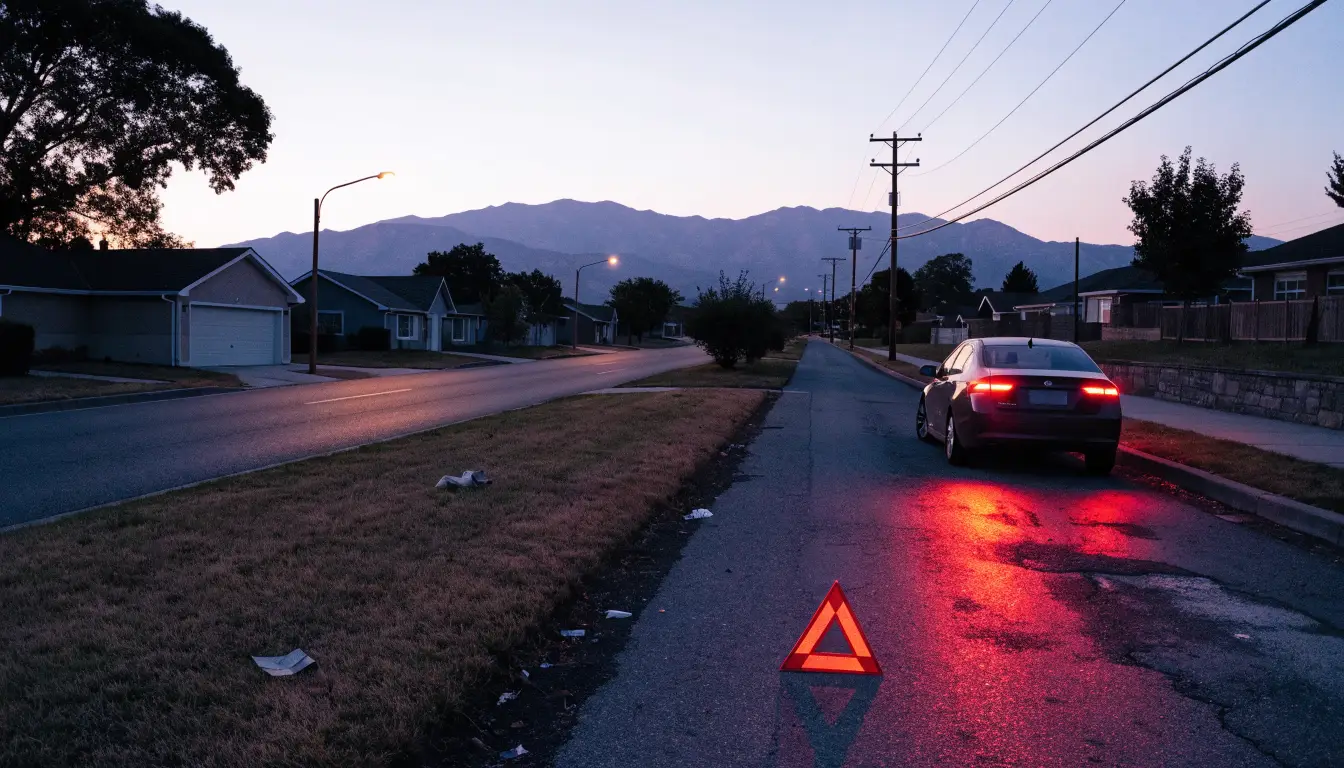
At the scene (first hour)
Safety first: hazards on, move out of lanes if drivable, 911 for any injury. Then become a documentarian — photos of every vehicle from every angle, the intersection, skid marks, debris, and the other driver's license and insurance card. Ask witnesses for phone numbers; they evaporate once traffic clears. On the freeways, the California Highway Patrol responds; on city streets, Rancho Cucamonga PD — either way, get the report number before anyone leaves. It plays out the same way whether the crash happened in North Etiwanda or anywhere else in the city.
Same day: the medical visit that protects both your health and your claim
Adrenaline masks injuries — neck, back, and head symptoms routinely appear a day or three later. Getting checked today creates the medical record where your claim will live; waiting creates the treatment gap insurers use to argue you weren't really hurt. Urgent care or ER — go, describe everything, follow instructions.
Within 24 hours: reports and notifications
California requires an SR-1 report to the DMV within 10 days when anyone is injured or damage tops $1,000 — do it early, not at the deadline. Notify your own insurer promptly (your policy requires it; the facts, briefly, are enough). Then the other call comes — the other driver's adjuster, friendly and fast. You are not required to give them a recorded statement, and you shouldn't: what you say in that call follows your claim forever.
Your first steps after a crash today
If you were hit today in Rancho Cucamonga, do these in order:
- Call 911 and get the CHP or Rancho Cucamonga Police to write a report.
- Photograph plates, damage, positions, and skid marks before cars move.
- Get witness names and numbers before they leave.
- Accept the paramedics' evaluation — adrenaline hides neck and back injuries.
- Call a lawyer before giving any statement to the other insurer.
The next few days
Save everything (photos, receipts, the ER paperwork), start a symptom note on your phone, and don't post about the crash anywhere. Camera footage on the retail corridors cycles in days — one of the reasons the when-to-get-a-lawyer question has an earlier answer than most people expect. If the crash was more than a fender-bender, a free case review this week costs nothing and forecloses nothing.
We also help injured people in: CucamongaTerra VistaVictoria