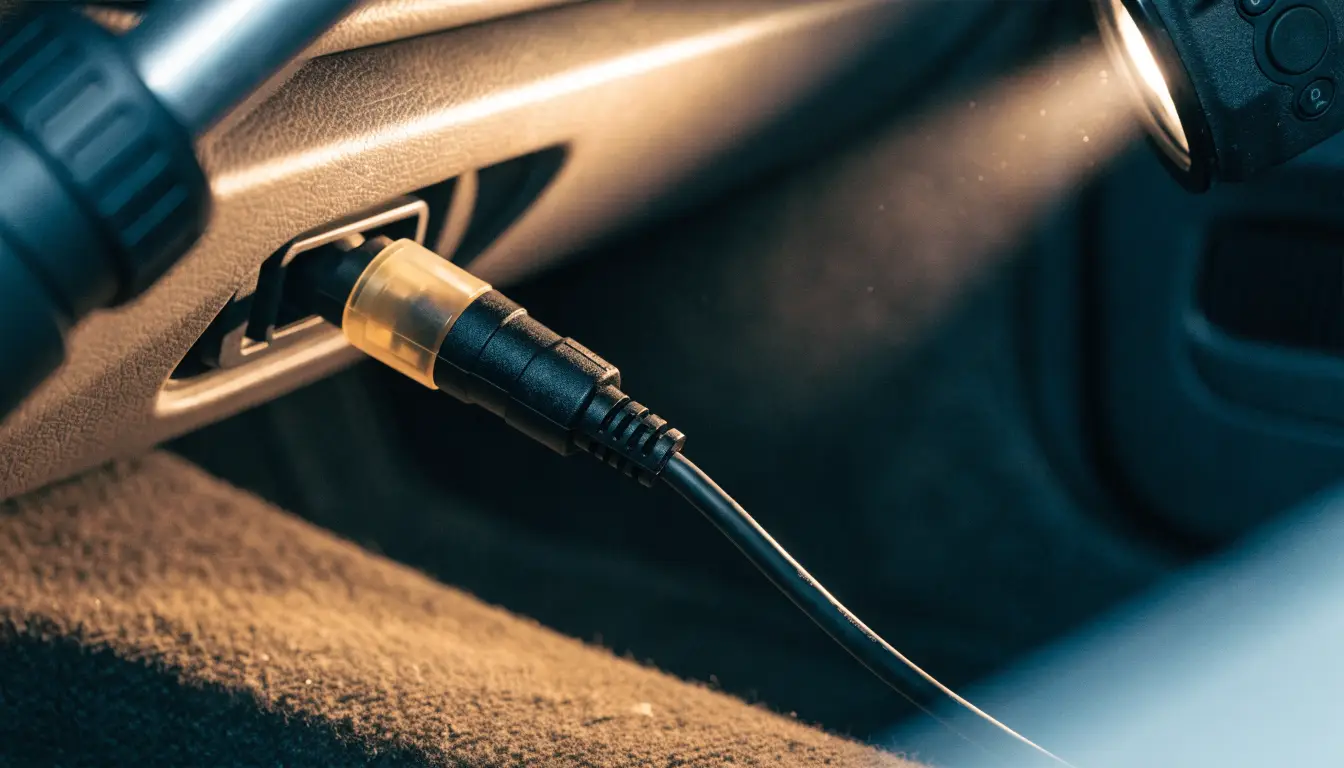
What the recorder actually captured
When airbags deploy (or nearly do), the module freezes a snapshot: vehicle speed second by second, whether and when brakes were applied, engine throttle, steering input, seatbelt status, and the crash pulse itself — the force signature of impact. In a disputed Rancho Cucamonga intersection case, that's the difference between “he says 40, she says 60” and a printed number.
The cases it decides
- Speed disputes — the corridor arguments (“everyone speeds on Day Creek”) become measurements.
- Braking fights — proving the other driver never touched the pedal converts “sudden emergency” into inattention.
- Comparative-fault battles — YOUR data proving lawful speed and early braking deletes their discount arguments.
- Commercial crashes — trucks add telematics and ELD data on top; the vehicles are rolling depositions.
The race you're already losing
Both vehicles hold data. Yours sits in a tow yard accruing storage fees until your insurer totals and salvages it; theirs gets repaired or crushed on the same schedule. Every week of delay is evidence heading for the shredder. The counter is procedural and fast: written notice to every custodian — insurers, tow yards, the other driver — to preserve the vehicles for inspection. Once noticed, destruction becomes spoliation, with consequences that themselves help your case.
Getting the data out — properly
Extraction takes licensed tools and, for the other party's vehicle, consent or legal process — California treats EDR data as the owner's. This is squarely attorney-and-expert work: done right, it's courtroom-grade; done wrong, it's a chain-of-custody argument against you. If your crash involves any dispute about speed or braking — most do — get the preservation letters out this week, and read how the data folds into the larger picture in what actually decides settlements.